Thursday, 27 June 2013

Lowdham


And Lowdham in Nottinghamshire tonight. Link here.

Last night, in Portsmouth, I was told of the word yinkle. A yinkle is, apparently, a bald man who has carefully trailed one strand of hair across his bare scalp. Anyway, I came home and checked the OED and Jonathon Green's big slang dictionary. Nothing. Although it is there in the Urban Dictionary.

Anybody else heard of it?

Wednesday, 26 June 2013

Portsmouth


Just a quick reminder that I'm talking in Portsmouth at six this evening. Link here.

Monday, 24 June 2013

Calories in the Cauldron


A calorie is the amount of energy required to raise 1 gram of water by 1 degree Celsius. Or at least, that's the small calorie. The large calorie is the one that raises a whole kilogram of water by 1 degree Celsius. The point of all this is that calorie comes from the Latin calor meaning heat.

Calor was closely related to calidus, which meant hot. And that's why the Romans called a cooking pot a caldaria. And that's why the French called a cooking pot a cauderon. And that's why the English called a cooking pot a caudron. And then, in the fifteenth century, some Latin scholar pointed out that, etymologically, there should be an L in it, and that's why we call it a cauldron.

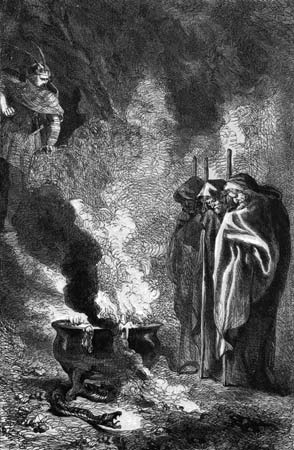
A cauldron full of calories.

Which is a long way round of reminding you that I'm talking at the Cauldron in North London tonight.

Friday, 21 June 2013

Futterneid and Groke


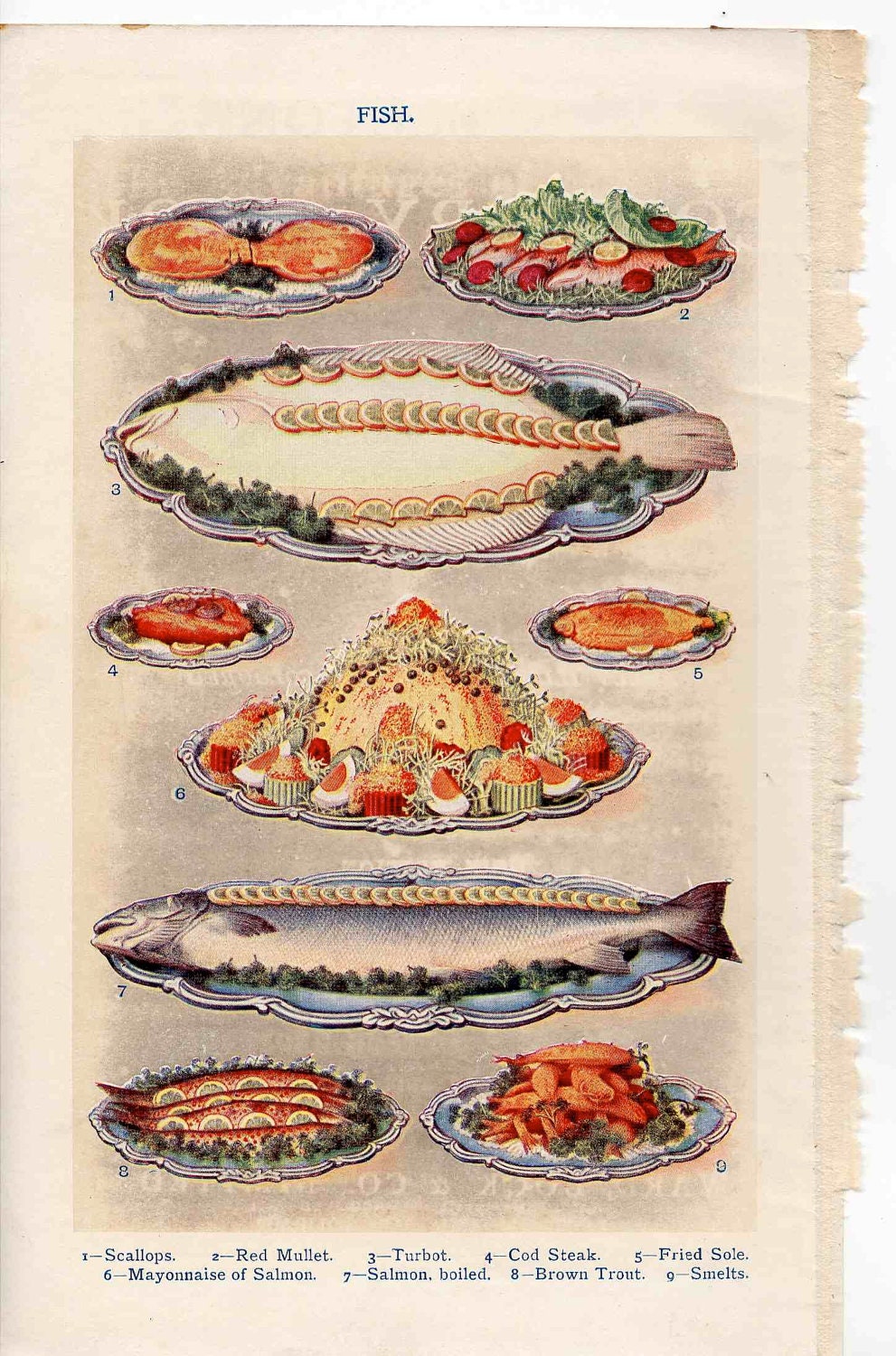
The unchangeable tragedy of all human life is that, however long you study the restaurant menu, when the food arrives everybody else's dishes will look better than your own. Next to this suffering and being alone in an absurd universe are mere hors d'oeuvres.

The Germans have a word for it. Futterneid.

Futterneid is literally food envy and is the feeling you get when somebody's else meal looks and smells better than your own. So far as I can tell (and I'm not at all German) the word can also be used figuratively.

It makes a lovely pair with the old Scots verb to groke, which, as those of you who've read The Horologicon will know, means to stare at somebody while they're eating in the hope that they'll give you some of their food.

Wednesday, 19 June 2013

London, Lowdham and Portsmouth


Just a few notices today. First, there's a tumblr account for the Etymologicon and Horologicon and you can tumble to it here.

Second, I'm going to be talking at The Cauldron in London on Monday. Here's a link to the event.

Third, next Wednesday I'll be talking at the Portsmouth Literary Festival. And here's a link to that.

Fourth, next Thursday I'll be talking at the Lowdham Festival, which is near Nottingham, and here's a link to that.

And finally, here's some more of me on Australian TV.


Monday, 17 June 2013

Anthea's Anthologies


Anthos was the Greek for flower. Thus Antheios meant flowery. And thus the goddess Hera, who was often associated with flowers, got the byname Antheia. This name was revived in the seventeenth century by the poet Robert Herrick who wanted a nice classical sounding name for a love poem. So he wrote To Anthea, who may Command Him Anything. It begins:

Bid me to live, and I will live
    Thy Protestant to be;
Or bid me love, and I will give
    A loving heart to thee.


(Protestant there means one who vows or protests his loyalty).

Anyway, anthos has found its way into the language in other words. Chrysanthemums are golden flowers. Acanthuses are thorny flowers. And anthologies are books of flowers.

Sometimes anthologies are actual bouquets of flowers. Sometimes anthologies are literal books of flowers. And sometimes anthologies are books of the flowers of literature, the finest poems plucked from the muses' field and collected into one volume. A flower book.

And an anthomaniac is somebody who's mad about flowers, or girls called Anthea.

Poor Anthea.


Thursday, 13 June 2013

Words and Vision


File:Special Broadcasting Service logo.svgFor those of you intent upon seeing my ugly face there is a feed of me talking about some strange words on SBS, the Australian television network. You can have a look at it by following this link.

I think this is feed in sense 3b in the OED: An allowance or meal (of corn, oats, etc.) given to a horse, etc.